
EV Charging for Fleets
Businesses are constantly looking for ways to increase efficiency within their daily operations and switching to an all-electric vehicle fleet can contribute greatly to this effort. Fleet managers typically charge vehicles during non-working hours to ensure the vehicles are always topped off and ready for a full workday. Fleet drivers typically won’t experience range anxiety throughout the day thanks to long range EV models hitting the road. Fleet managers can also track usage and generate sustainability reports which can contribute to short- and long-term goals within the company.
Fleet Charging Solutions
Fast Charging w/integrated Battery Energy Storage (208v 3phase)
Fleet Analytics and Insights
Fleet Electrification
Cost Savings
EV fleet charging reduces operational costs significantly compared to using traditional fuel. EV fleet vehicles also cost less to maintain due to having simpler mechanical systems with fewer moving parts. Fueling these vehicles with optimized software systems leads to even more savings. There may also be grants and other financial incentives available to your organization to convert your fleet vehicles to electric.
Environmental Impact
Fleet electrification is a meaningful step toward reducing carbon emissions. Charging electric vehicles with renewable energy aligns businesses with global sustainability trends. Customers and investors increasingly value companies committed to greener operations, making this shift a strategic environmental decision with long-term benefits.
Operational Efficiency
EV fleet charging systems are built for convenience. Depots with planned charging schedules minimize downtime, while public and mobile charging options add flexibility. Combining scalable infrastructure with smart technologies enhances efficiency, keeping operations seamless even as fleets grow larger.
Business Brand & Image
Investing in EV charging often elevates a company’s brand and image. Customers and partners appreciate businesses with visible efforts to innovate and lead in sustainability. This type of forward-thinking approach positions companies as industry leaders, gaining respect from your customers and stakeholders across the board.
.jpg "fleet ev charging (5)")
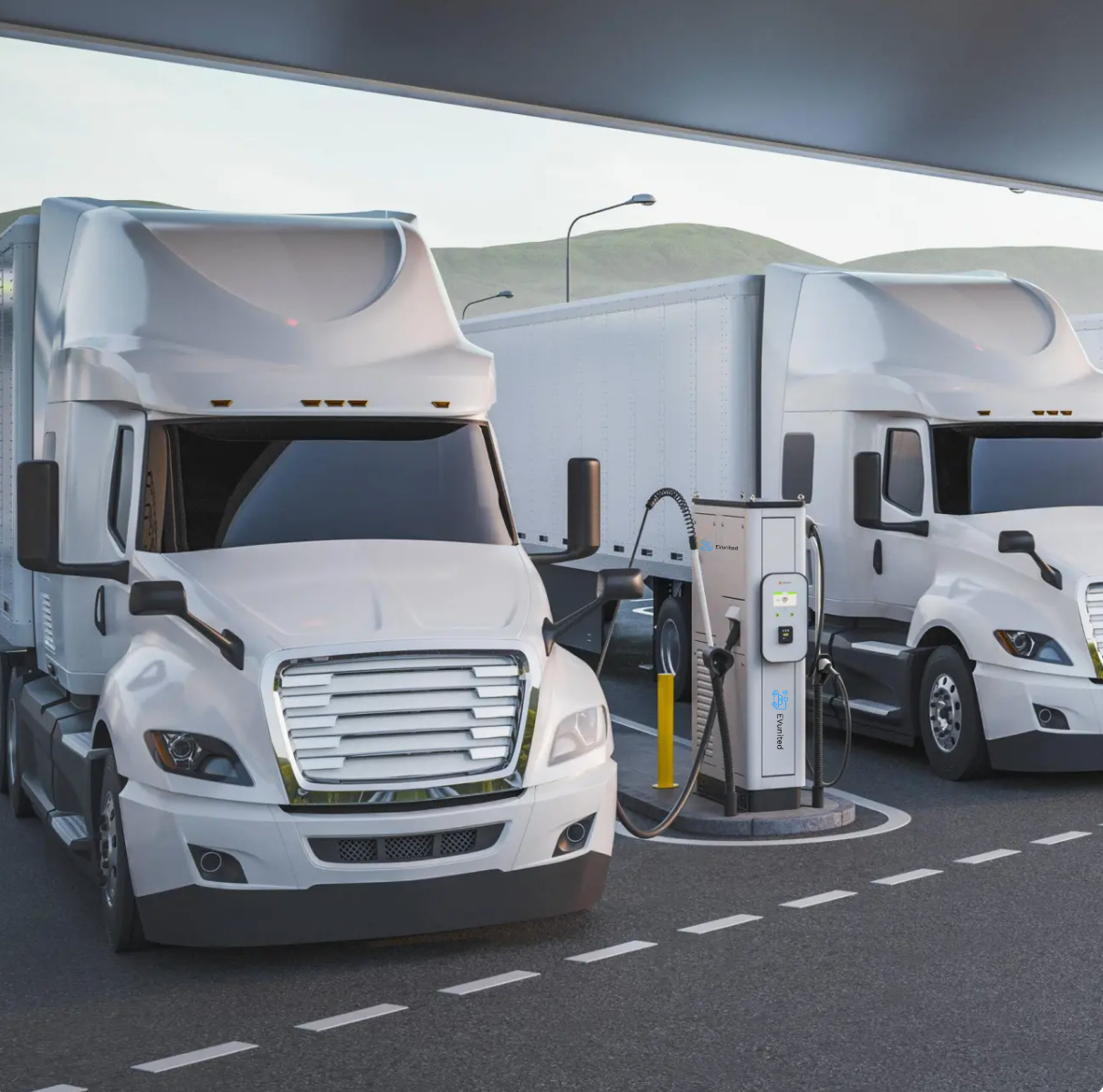
Proper power management is crucial for running an efficient fleet. Fleet managers can program charging to not only occur during non-working times, but also during the time of day that electricity costs are lowest. This will reduce daily electricity costs associated with charging the vehicles and ensures EVs will still be ready for a full day of driving.
Level 2 or DC Fast?
For most commercial fleet applications, Level 2 charging stations are adequate, depending on your charging requirements, type of vehicles (battery size onboard) and your overall business operations, the size of your fleet and the timeframe you have to reenergize your fleet vehicles
Level 3 (DC Fast Charger) charging reduces the time for a vehicle to charge and is often needed when "fast" charging for fleet vehicles is needed. Business Fleet, Public transit vehicles, Electric Buses, Waste Management (Refuse Trucks), Shuttles, Transport (Cargo / Freight), Emergency Response and similar vehicles typically opt for Level 3 charging to decrease down-time and to quickly charge their fleet vehicles.
It is common for fleet organizations to install a mix of Level 2 and DC Fast Chargers to power their fleet operations.
For most commercial fleet applications, Level 2 charging stations are adequate, depending on your charging requirements, type of vehicles (battery size onboard) and your overall business operations, the size of your fleet and the timeframe you have to reenergize your fleet vehicles
Level 3 (DC Fast Charger) charging reduces the time for a vehicle to charge and is often needed when "fast" charging for fleet vehicles is needed. Business Fleet, Public transit vehicles, Electric Buses, Waste Management (Refuse Trucks), Shuttles, Transport (Cargo / Freight), Emergency Response and similar vehicles typically opt for Level 3 charging to decrease down-time and to quickly charge their fleet vehicles.
It is common for fleet organizations to install a mix of Level 2 and DC Fast Chargers to power their fleet operations.
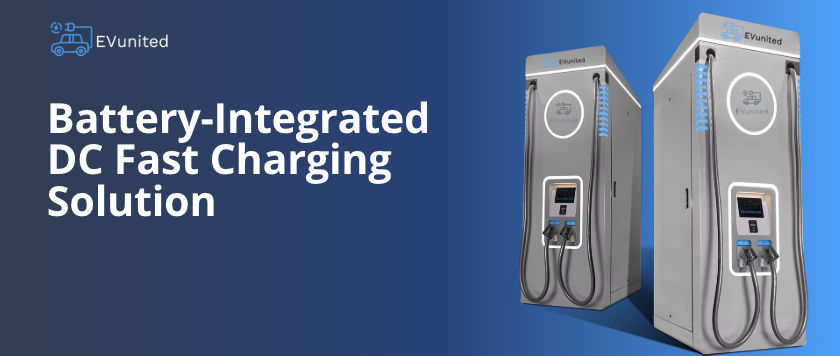
Deploy Quickly on 208v 3phase power
- What is your fleet type?
- When is the vehicle operating?
- Does it have a set or variable route?
- How many miles per day?
- How are the vehicles assigned to drivers
- How are the vehicles and drivers being managed?
- Where is the maintenance performed?
- How and where is the vehicle garaged?
- How long will the vehicle need to charge?
- What is the proposed EV replacement rate?
- What type of data will the organization need to measure?
Many states offer incentives/rebates for building out EV charging infrastructure to support the adoption of electric fleet vehicles, with funding available to help businesses purchase electric vehicles as well. Most of these rebates require data reporting capability, which is why a networked fleet charging solution is necessary for many fleet applications. To see if your company is eligible for local/state incentives please contact us!